Research that helps you see what the claims leave out.
Explainers, benchmark requirements and a glossary, with every source labelled and every limit stated.
Published research
Editorial analysis grounded in cited sources. Where we summarise third-party research we have not reproduced it, and we say so.

Latest analysis
Trump Wants to Rename AI “Super Intelligence.” What Actually Changes?
Executive Order 14434 orders federal agencies to scrub 'artificial intelligence' and adopt 'super intelligence.' Behind the rhetoric lies an administrative sleight of hand: changing federal branding while leaving the underlying legal definitions and technology exactly where they were.
Research
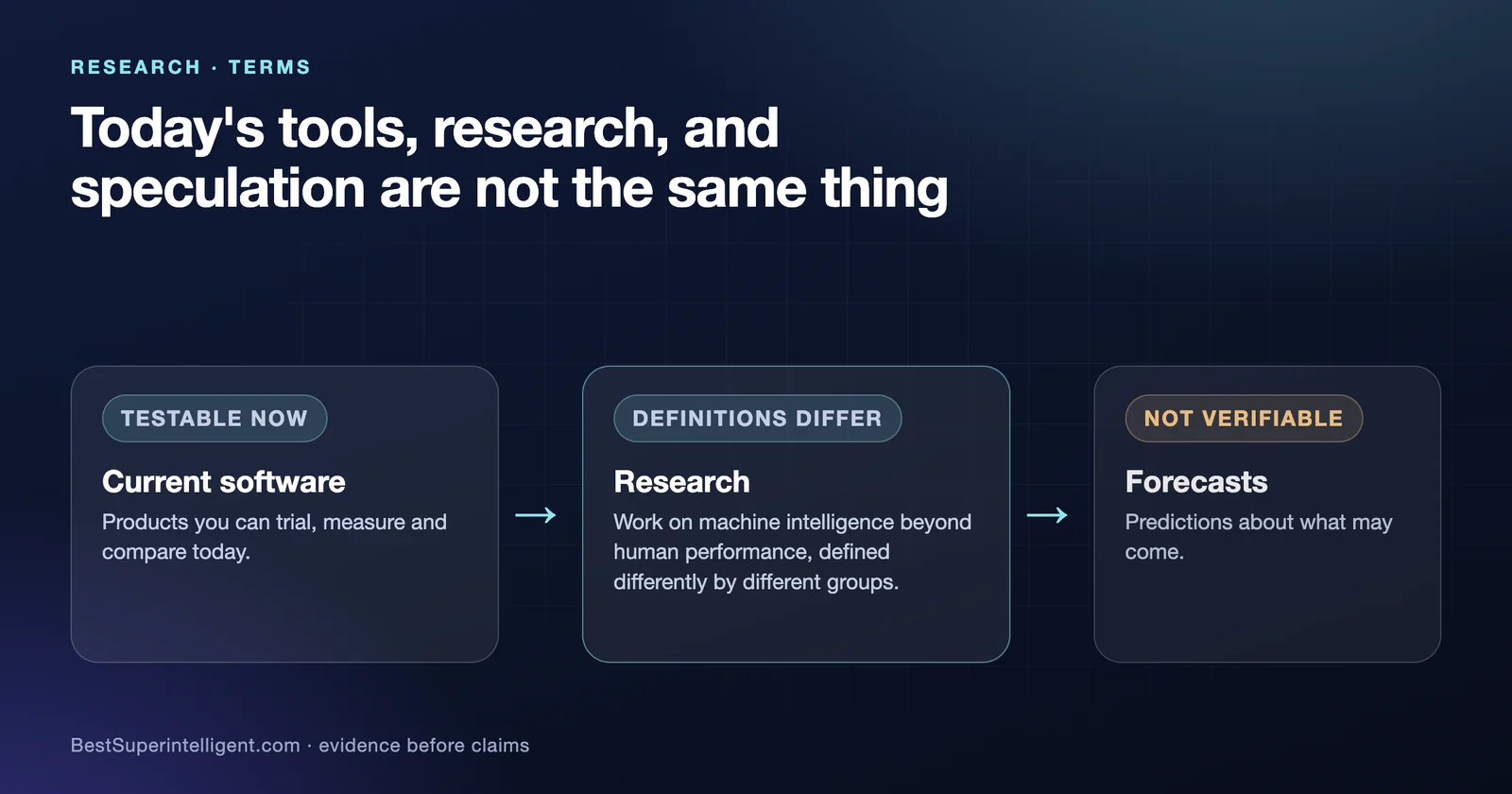
Superintelligence and today's tools: keeping the terms apart
Why the word 'superintelligence' in a brand name, a headline, or a policy document does not make a current product superintelligent, and how published definitions actually differ.
Research
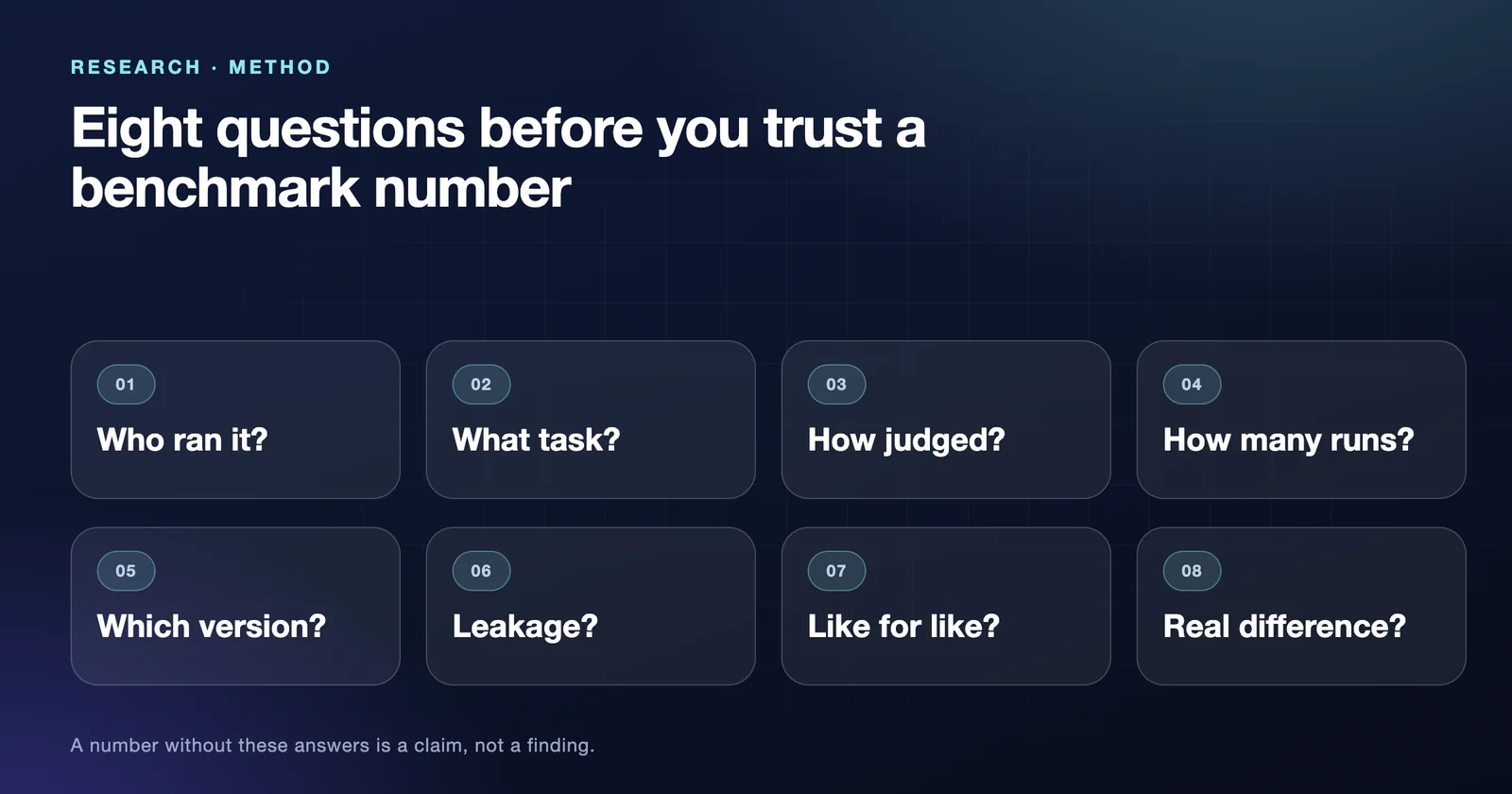
Reading benchmark claims critically
A checklist of questions that determine whether a benchmark number tells you anything about the tool you plan to use, with worked examples from published research.

Research
Best super intelligence model? What the 2 Nov 2026 leaderboard actually shows
A saved Artificial Analysis models board from 2 November 2026. Gemini 4 Carbon (high) leads that scrape at 59.43. None of these models is superintelligence, and this site did not run the tests.
Research
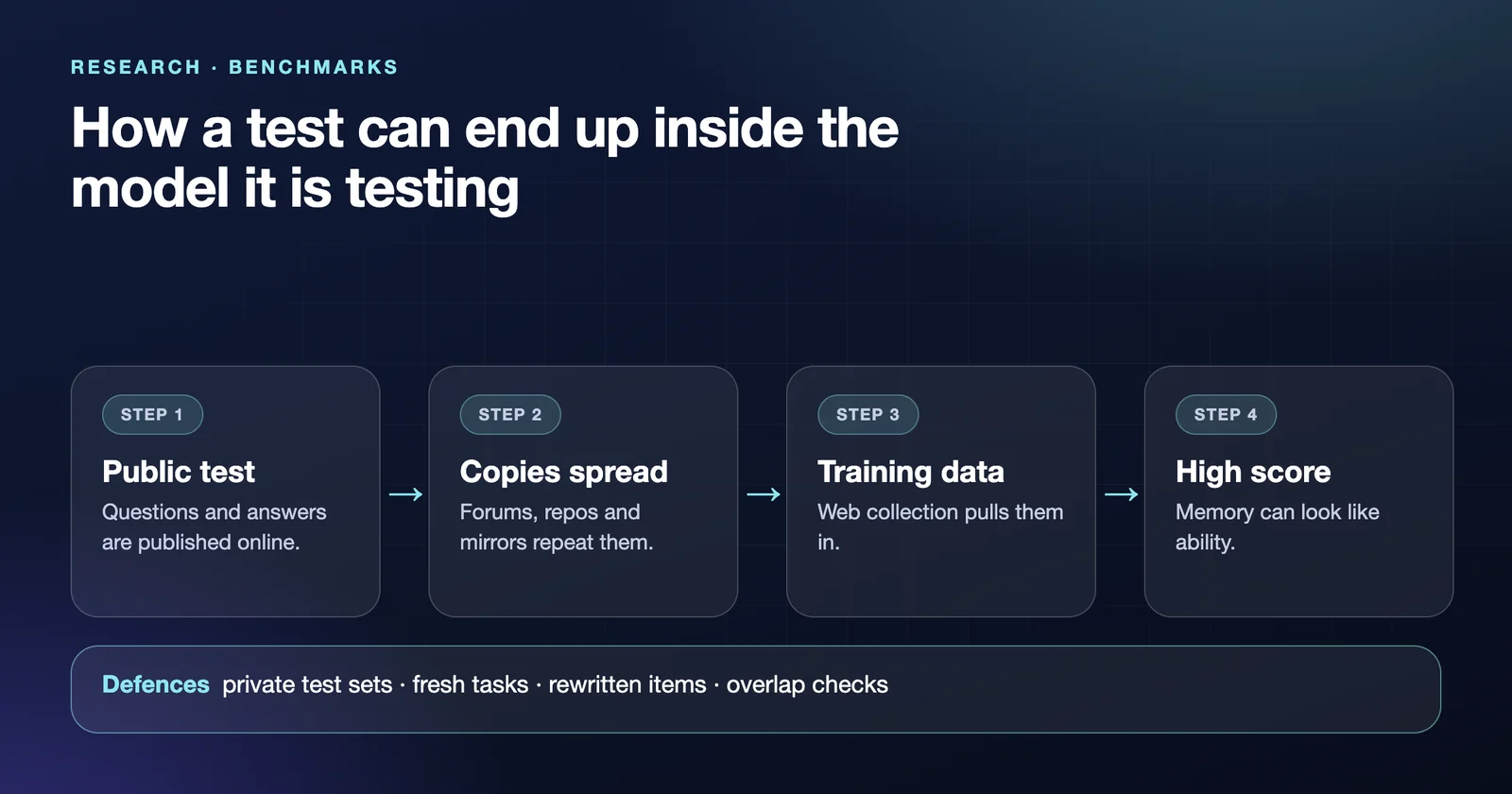
Benchmark contamination explained
What it is, how it happens, how researchers have tried to measure and avoid it, and why it can make a public benchmark score misleading.
Research
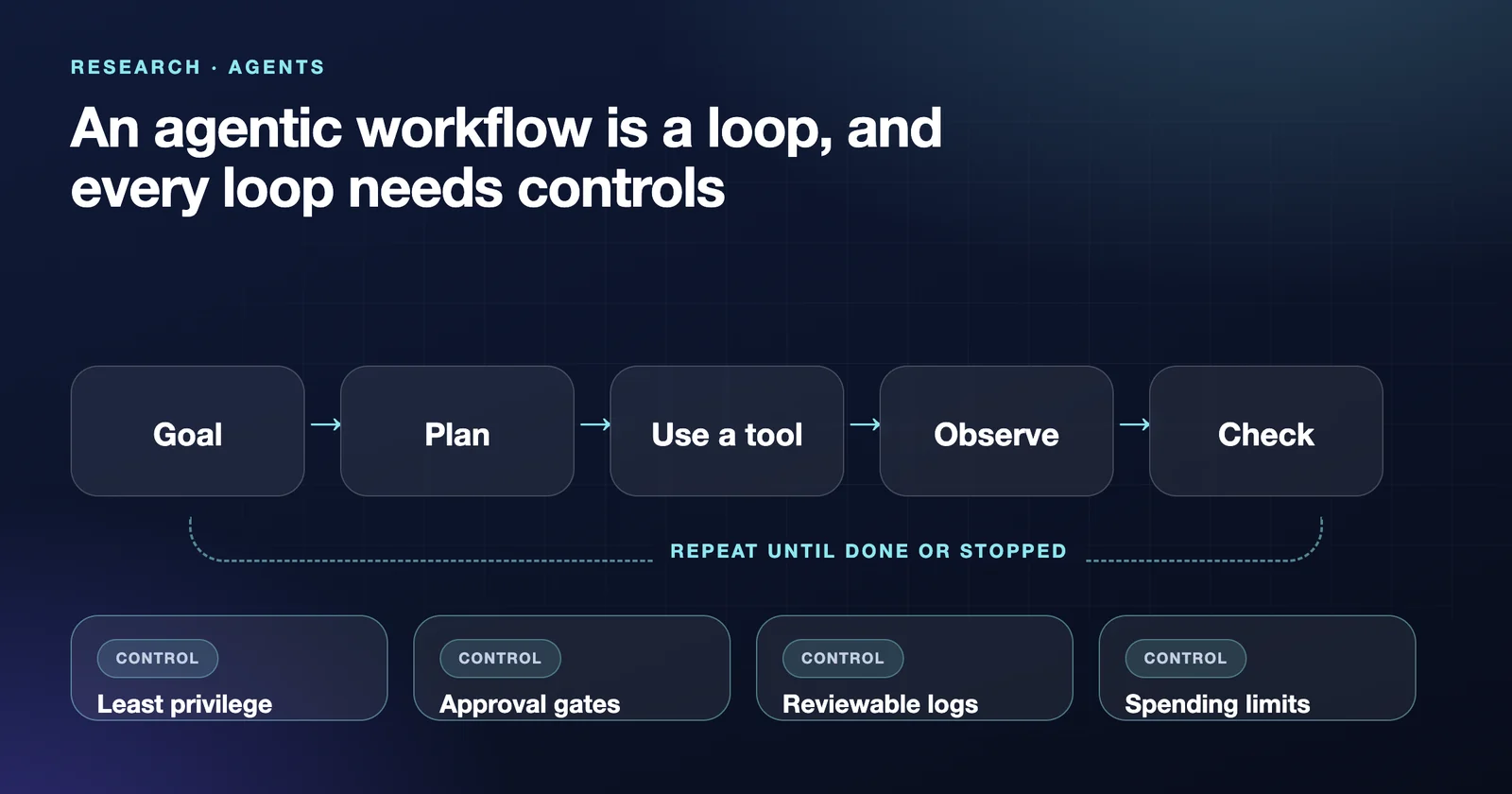
What is an agentic workflow?
A plain-language definition, how agentic workflows differ from chatbots and from fully autonomous agents, the common ways they fail, and the controls that matter.
Research
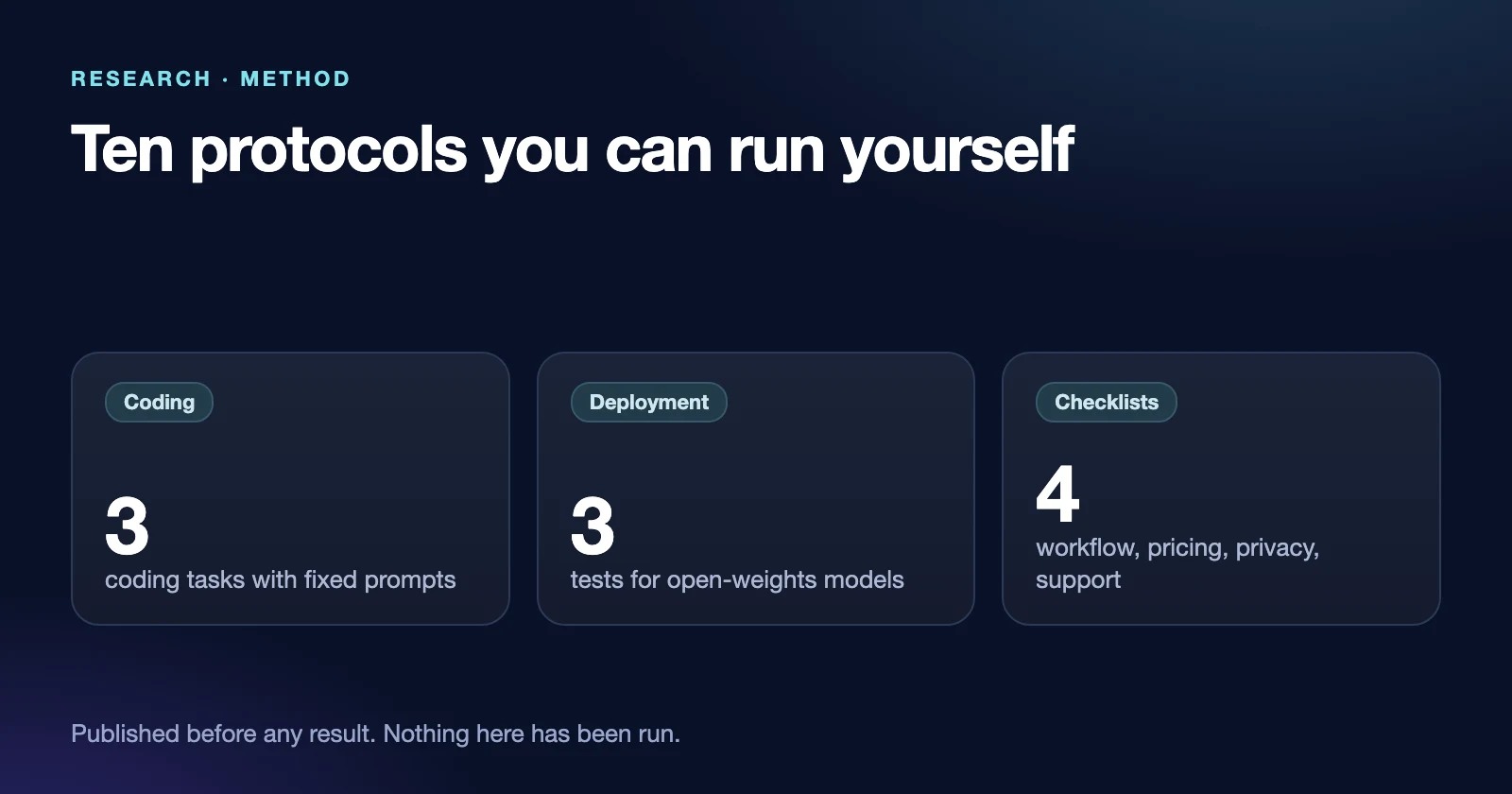
How to test AI tools yourself: ten protocols you can run
Ten test protocols you can run on your own work: exact prompts, repository commit, rubrics, checklists, pass thresholds and dataset checksums for comparing AI coding tools and deployment options.
Research
GitHub Copilot vs Cursor: what public discourse says, and what it does not decide
A dated reading of commentator posts and comparison articles on GitHub Copilot and Cursor. This is a discourse report inside our methodology. It is not a measured ranking.
Research
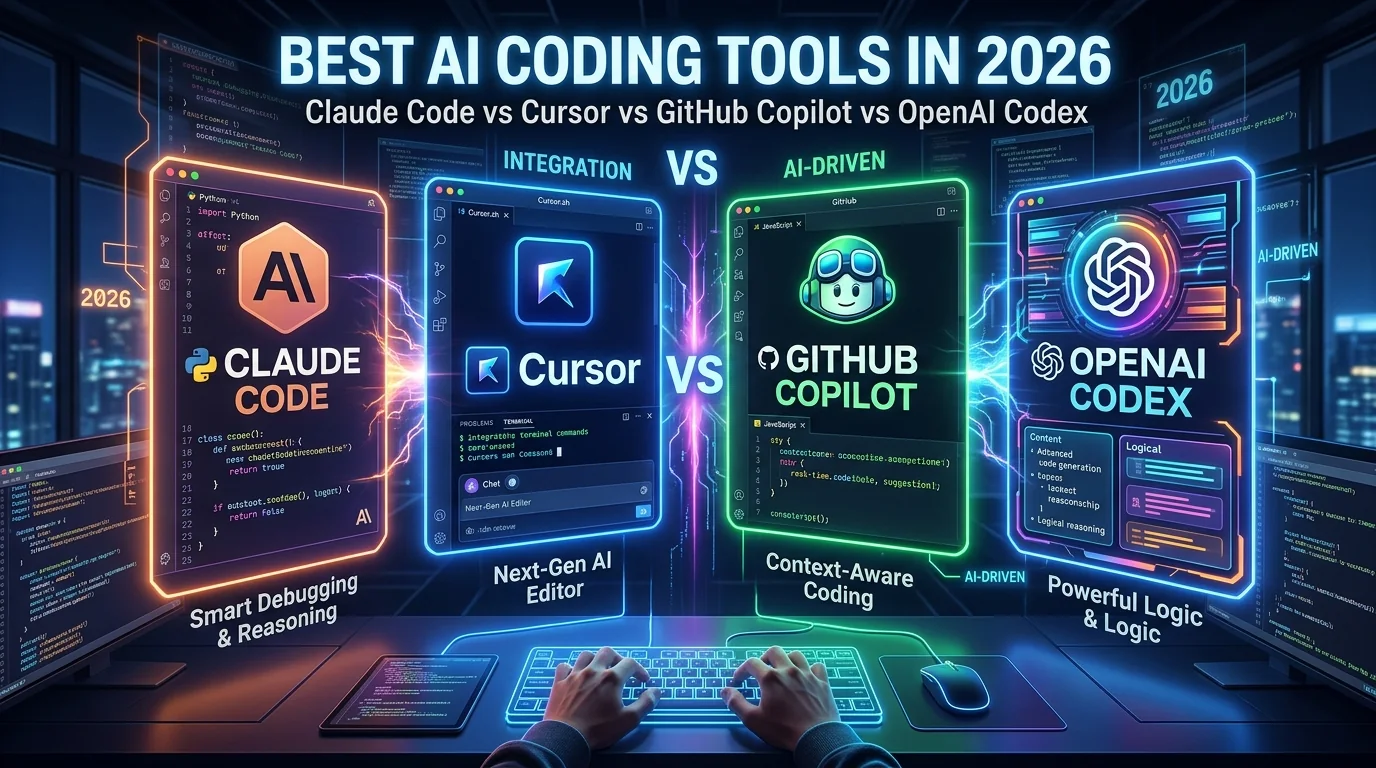
Best AI Coding Tools in 2026: Claude Code vs Cursor vs GitHub Copilot vs OpenAI Codex
Claude Code (8.7), Codex (8.5), Copilot (8.0) and Cursor (6.6) compared on documented features, pricing and security. Editor's ratings, not a hands-on test. Gemini Code Assist is being retired.

Research
Superintelligence: Definition, Types, Artificial Superintelligence (ASI), Development, Capabilities, and Risks
Discover what superintelligence means, how artificial superintelligence (ASI) could emerge, its different forms, potential capabilities, scientific foundations, development pathways, benefits, risks, and implications for humanity.
Research
The Best Superintelligence in Sovereign AI: 2026 Rankings
Which country leads in sovereign AI? The 2026 Sovereign AI Power Index rankings: South Korea, the UAE, Singapore, the United States and the race for AI independence.
Research
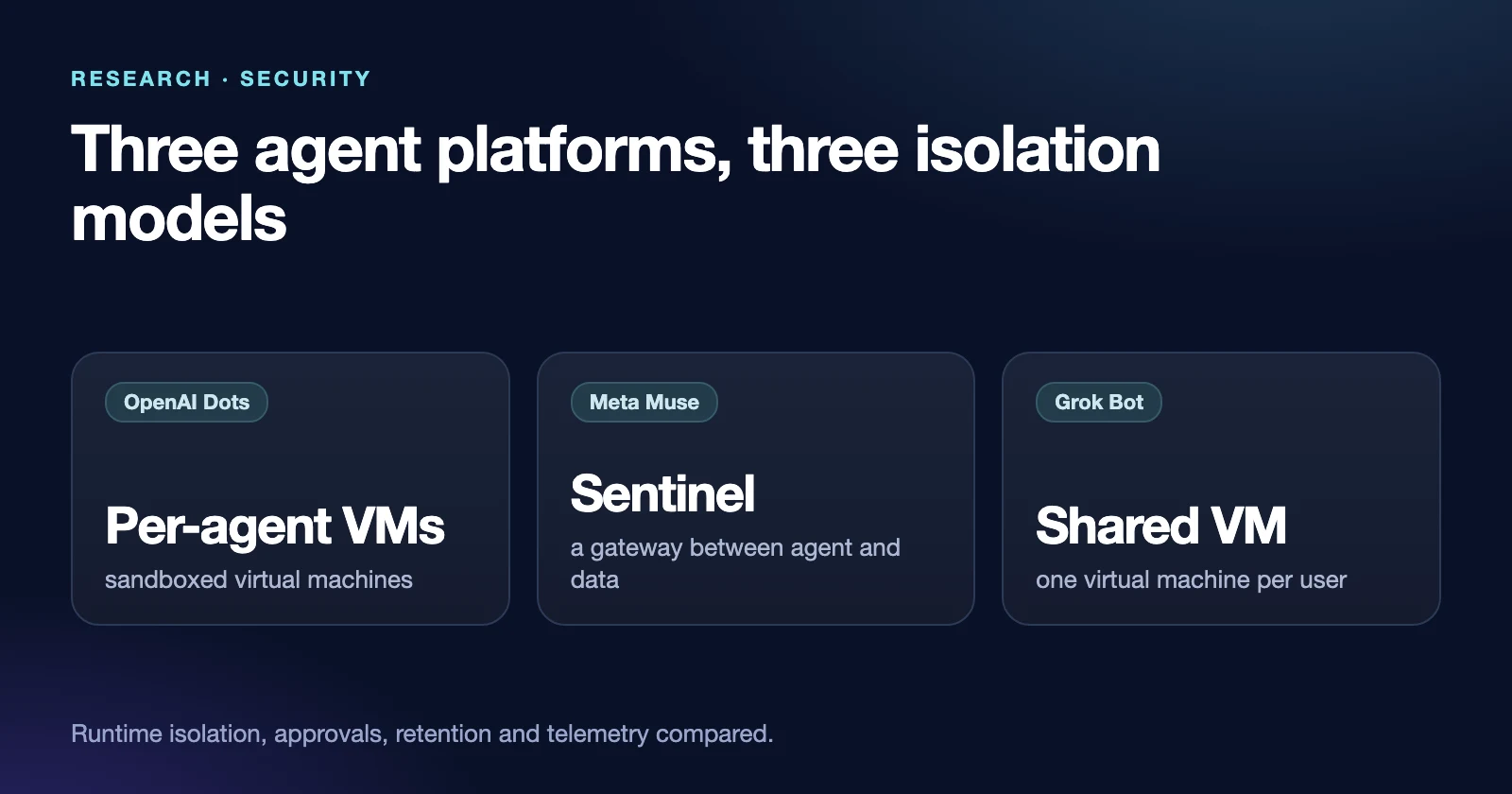
OpenAI Dots vs Meta Muse vs Grok Bot: App Permissions, Approvals & Data Isolation Compared
How OpenAI Dots, Meta Muse, and Grok Bot compare on runtime isolation, action approvals, data retention, and enterprise telemetry, plus where data-layer proxies fit.

Research
What Resources Do Frontier Labs Need to Pursue Superintelligence?
The multi-gigawatt clean energy, hyperscale compute clusters, synthetic data engines, and sovereign-scale capital required to pursue artificial superintelligence.
Research
Most Advanced AI Models Right Now (November 2026): Leaderboards, Specs & Production Reality
Which AI is the most advanced right now, how frontier labs and independent leaderboards measure it, and where AI-generated software still needs production engineering before real users can rely on it.
Research
The Best Superintelligence in the World (2026): Closest Systems & Frontier Leaders
While true Artificial Superintelligence (ASI) does not exist in 2026, discover the closest frontier reasoning systems—Google Gemini 4 Carbon, Anthropic Claude Opus 5.5, and OpenAI GPT-6 Astra—and what defines superintelligent performance.
Research
Which AI Has the Highest IQ? How Machine Intelligence Is Measured in 2026
AI models don't have biological IQs, so how do we rank the smartest AI? Compare November 2026 scores across Humanity's Last Exam, GPQA, ARC-AGI-3, and Epoch AI's Capabilities Index.
Research
What Are the Top 3 AI Models in the World? (November 2026 Deep-Dive)
Discover the top 3 AI models in the world as of November 2026—Google Gemini 4 Carbon, Anthropic Claude Opus 5.5 / Fable 5.1, and OpenAI GPT-6 Astra—compared across live leaderboards and real-world engineering workloads.
New here? Read in this order
Four short pieces that build on each other, from vocabulary to evidence to agents.
- Start with the vocabulary
What the word means, how definitions differ, and why a label is not a capability.
- Learn to read a score
Eight questions to ask of any benchmark number before it informs a decision.
- Understand how scores inflate
How test material leaks into training data, and what researchers found.
- See where agents fail
A definition, the failure modes, and the controls that contain them.
What we do
Six strands of work. Each has a page that states what exists today and what does not.
Capability benchmarks
Repeatable tests with published tasks, conditions, sample sizes and limitations. The requirements are public, and results published by others are recorded separately.
Benchmark requirements →Product intelligence
Version changes, pricing, deployment options and documentation, each with a dated source.
AI tools directory →Evidence library
Source links, verification dates and claim scope for every important claim.
Evidence standard →Glossary
Plain-language definitions of the terms used across the site, with links to the pages that explain them.
Open the glossary →Methodology
How every statement is labelled, how vendor claims are handled, and how commercial relationships are kept out.
Read the method →Comparison frameworks
Planned head-to-head questions, written before testing, so a verdict cannot be reverse-engineered.
See frameworks →Limitations of our research
- We have not run any benchmark or product test yet. Everything published so far is methodology and explanation.
- Results from tests of AI products can vary between runs and change with product versions. We will record version and date, and results will expire.
- Where we summarise third-party research we have not reproduced it, and we label it that way. Several sources were read at abstract level only, as each article states.
Looking for a score?There are none yet. See the methodology for what must exist before one is published.
Frequently asked questions
Has this site published benchmark results?
Not yet. The benchmarks page lists the requirements any result must meet before we publish it.
Are the explainers independent research?
They are editorial interpretation: our reading of established concepts and cited sources. They contain no product test results, and third-party findings are relayed, not reproduced.
Where should I start?
Start with superintelligence and today's tools for the vocabulary, then reading benchmark claims, benchmark contamination, and what an agentic workflow is. Each links to the next.
How are sources handled?
Each article lists numbered sources with the publisher, the date we opened them, and a note on what kind of source it is, such as vendor documentation, third-party research, or primary law.