Guide
The 30 Best Books on AI and Superintelligence in 2026: AI Safety, Ethics and Humanity's Future
Editorial ranking of books. Not a measure of whose predictions are correct.
The 30 best books on AI, AGI and superintelligence in 2026, ranked: Bostrom, Russell, Tegmark and newer releases. Reviews, a reading path and Amazon links.
At a glance
- Type
- Guide
- Topics
- Superintelligence books, AI safety, AI alignment
- Evidence
- Editorial interpretation
- Written by
- Liyam Flexer
The short answer
The best books on artificial superintelligence are Nick Bostrom's Superintelligence, Stuart Russell's Human Compatible and Max Tegmark's Life 3.0. Beginners should start with Stuart Armstrong's Smarter Than Us. This guide ranks 30 books, reviews each, and gives a five-book reading path with Amazon and Kindle links.
What are the best books on artificial superintelligence?
The best books on artificial superintelligence explore what could happen when machine intelligence exceeds human capabilities, and whether humanity can develop, control and coexist with systems that may become more intelligent than us.
The most important starting points are Nick Bostrom's Superintelligence: Paths, Dangers, Strategies, Stuart Russell's Human Compatible and Max Tegmark's Life 3.0. Together they introduce the central questions about superhuman AI: how it might emerge, how its objectives could differ from human intentions, and how advanced intelligence could reshape civilization.
This guide ranks 30 books, says what each contributes and who it suits, and gives reading paths for different audiences. It covers the foundational classics, the modern AI safety literature and newer titles from 2024 to 2026. The goal is not to find the book with the most dramatic prediction. It is to build an informed understanding of intelligence, alignment, technological progress, ethics and humanity's possible future.
New to the subject? Start with our superintelligence explainer and the AI, AGI, SI and ASI differences, then pick a book below.
The 30 best books on superintelligence, ranked
Each card links to the book on Amazon and to its Kindle edition. The order is our editorial ranking by how much each book contributes to understanding superintelligence, not by sales.
Tier 1: the essential core (ranks 1 to 10)
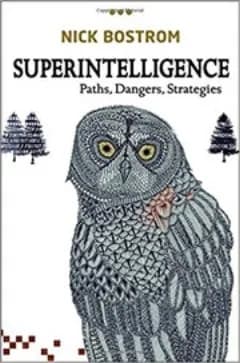
No. 1
Superintelligence: Paths, Dangers, Strategies
The foundations of the superintelligence debate
Buy on Amazon: Superintelligence: Paths, Dangers, StrategiesKindle: Superintelligence: Paths, Dangers, Strategies
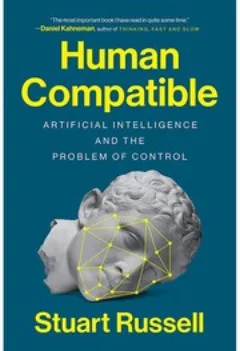
No. 2
Human Compatible: Artificial Intelligence and the Problem of Control
AI alignment and the control problem
Buy on Amazon: Human Compatible: Artificial Intelligence and the Problem of ControlKindle: Human Compatible: Artificial Intelligence and the Problem of Control
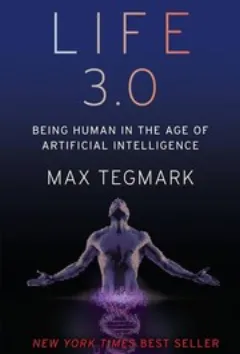
No. 3
Life 3.0: Being Human in the Age of Artificial Intelligence
AI's impact on civilization and humanity's future
Buy on Amazon: Life 3.0: Being Human in the Age of Artificial IntelligenceKindle: Life 3.0: Being Human in the Age of Artificial Intelligence
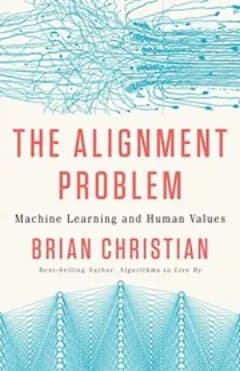
No. 4
The Alignment Problem: Machine Learning and Human Values
Real-world AI failures and human values
Buy on Amazon: The Alignment Problem: Machine Learning and Human ValuesKindle: The Alignment Problem: Machine Learning and Human Values
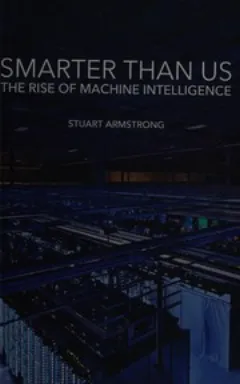
No. 5
Smarter Than Us: The Rise of Machine Intelligence
A short, accessible introduction to smarter-than-human AI
Buy on Amazon: Smarter Than Us: The Rise of Machine IntelligenceKindle: Smarter Than Us: The Rise of Machine Intelligence
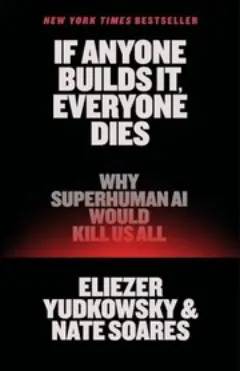
No. 6
If Anyone Builds It, Everyone Dies
The strongest contemporary case for catastrophic AI risk
Buy on Amazon: If Anyone Builds It, Everyone DiesKindle: If Anyone Builds It, Everyone Dies
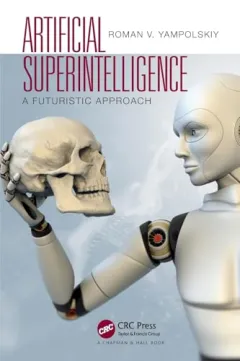
No. 7
Artificial Superintelligence: A Futuristic Approach
Technical and philosophical questions about ASI
Buy on Amazon: Artificial Superintelligence: A Futuristic ApproachKindle: Artificial Superintelligence: A Futuristic Approach
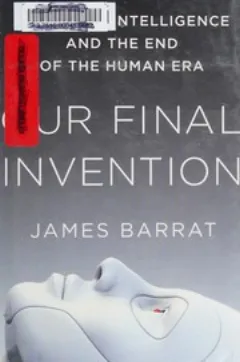
No. 8
Our Final Invention: Artificial Intelligence and the End of the Human Era
The historical risks of developing increasingly powerful AI
Buy on Amazon: Our Final Invention: Artificial Intelligence and the End of the Human EraKindle: Our Final Invention: Artificial Intelligence and the End of the Human Era
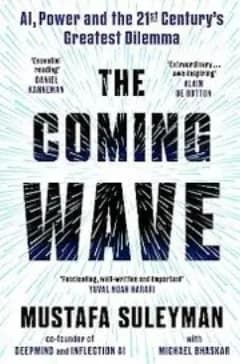
No. 9
The Coming Wave
AI, technological containment and global governance
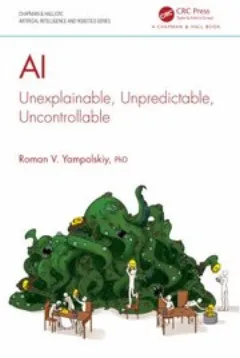
No. 10
AI: Unexplainable, Unpredictable, Uncontrollable
The limits of AI predictability and control
Buy on Amazon: AI: Unexplainable, Unpredictable, UncontrollableKindle: AI: Unexplainable, Unpredictable, Uncontrollable
Tier 2: newer releases and emerging voices, 2024 to 2026 (ranks 11 to 15)
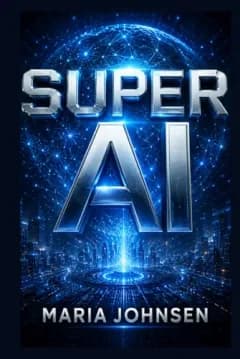
No. 11
Super AI
A broad, contemporary introduction to ASI science and ethics
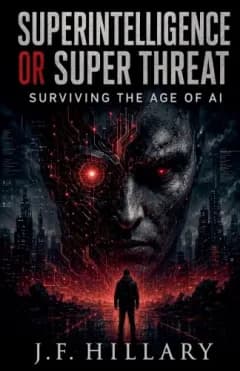
No. 12
Superintelligence or Super Threat
An accessible look at AI's societal and economic risks
Buy on Amazon: Superintelligence or Super ThreatKindle: Superintelligence or Super Threat
No. 13
Beyond Human: The Coming Age of Super Intelligence
A compact, beginner-friendly overview of the intelligence explosion
Buy on Amazon: Beyond Human: The Coming Age of Super IntelligenceKindle: Beyond Human: The Coming Age of Super Intelligence
No. 14
SUPER AI: The AGI Revolution
The move from generative AI to autonomous AGI agents
Buy on Amazon: SUPER AI: The AGI RevolutionKindle: SUPER AI: The AGI Revolution
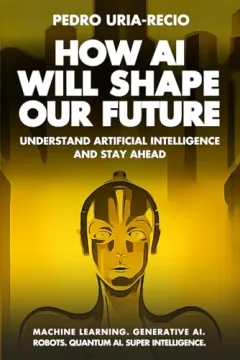
No. 15
How AI Will Shape Our Future
AI, robotics and geopolitics across disciplines
Buy on Amazon: How AI Will Shape Our FutureKindle: How AI Will Shape Our Future
Tier 3: critical perspectives on AI safety and society (ranks 16 to 20)
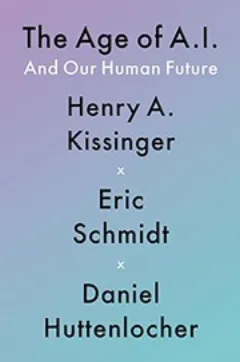
No. 16
The Age of AI: And Our Human Future
The geopolitical and philosophical implications of AI
Buy on Amazon: The Age of AI: And Our Human FutureKindle: The Age of AI: And Our Human Future
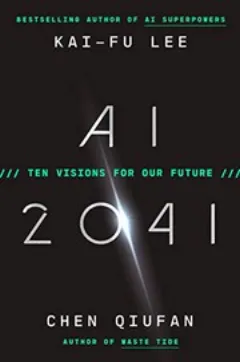
No. 17
AI 2041: Ten Visions for Our Future
Fiction plus analysis of AI in daily life, 20 years out
Buy on Amazon: AI 2041: Ten Visions for Our FutureKindle: AI 2041: Ten Visions for Our Future
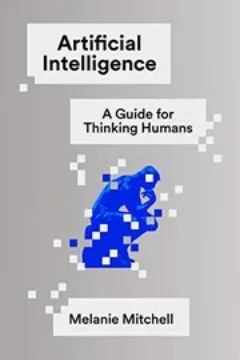
No. 18
Artificial Intelligence: A Guide for Thinking Humans
A grounded, realistic view of what AI can do today
Buy on Amazon: Artificial Intelligence: A Guide for Thinking HumansKindle: Artificial Intelligence: A Guide for Thinking Humans
No. 19
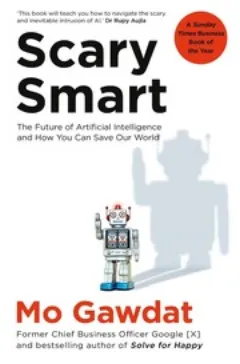
Scary Smart
Practical steps for ordinary people to influence AI's development
No. 20
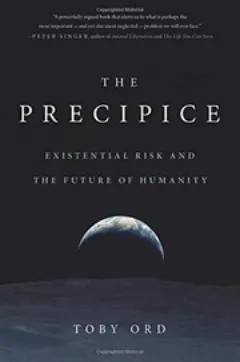
The Precipice: Existential Risk and the Future of Humanity
AI placed alongside the other existential risks
Buy on Amazon: The Precipice: Existential Risk and the Future of HumanityKindle: The Precipice: Existential Risk and the Future of Humanity
Tier 4: accessible, historical and futuristic views (ranks 21 to 25)
No. 21
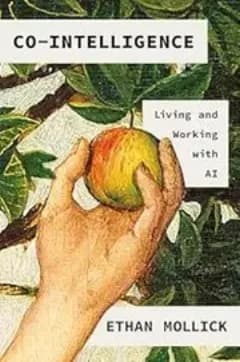
Co-Intelligence: Living and Working with AI
A practical guide to working alongside today's AI
Buy on Amazon: Co-Intelligence: Living and Working with AIKindle: Co-Intelligence: Living and Working with AI
No. 22
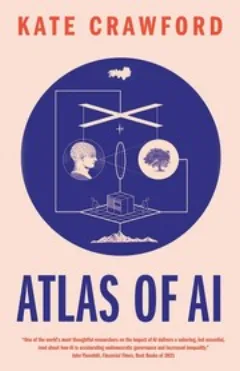
Atlas of AI
The hidden environmental and political costs of AI
No. 23
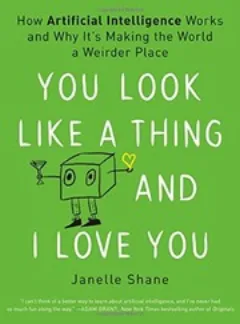
You Look Like a Thing and I Love You
A funny, accessible look at how AI learns and fails
Buy on Amazon: You Look Like a Thing and I Love YouKindle: You Look Like a Thing and I Love You
No. 24
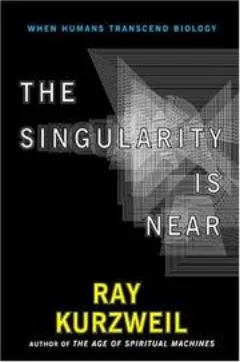
The Singularity Is Near
The classic optimistic vision of humans and machines merging
Buy on Amazon: The Singularity Is NearKindle: The Singularity Is Near
No. 25
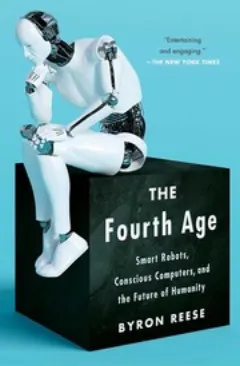
The Fourth Age
AI as the next great human technological leap
Tier 5: technical foundations, economics and expert interviews (ranks 26 to 30)
No. 26
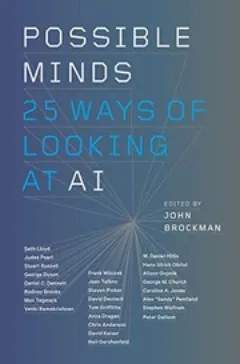
Possible Minds: Twenty-Five Ways of Looking at AI
Essays from leading scientists and philosophers
Buy on Amazon: Possible Minds: Twenty-Five Ways of Looking at AIKindle: Possible Minds: Twenty-Five Ways of Looking at AI
No. 27
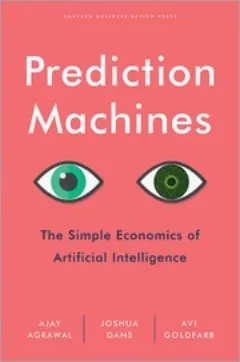
Prediction Machines: The Simple Economics of Artificial Intelligence
AI as a drop in the cost of prediction
Buy on Amazon: Prediction Machines: The Simple Economics of Artificial IntelligenceKindle: Prediction Machines: The Simple Economics of Artificial Intelligence
No. 28
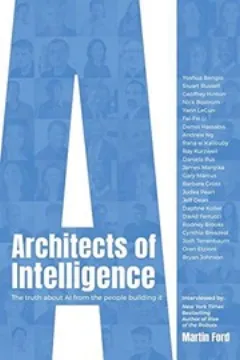
Architects of Intelligence
In-depth interviews with the people building modern AI
Buy on Amazon: Architects of IntelligenceKindle: Architects of Intelligence
No. 29
The Master Algorithm
The quest for one ultimate machine-learning method
Buy on Amazon: The Master AlgorithmKindle: The Master Algorithm
No. 30
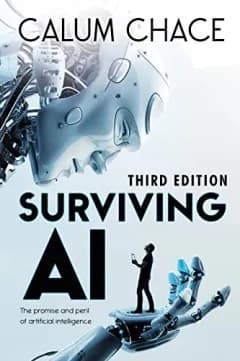
Surviving AI
A concise guide to the economic and existential effects of ASI
In-depth reviews: the top 10 essential books
Detailed reviews of the ten books to read first. Short reviews of books 11 to 30 follow.
1. Superintelligence: Paths, Dangers, Strategies, Nick Bostrom
The central question: What happens when machine intelligence becomes substantially more capable than human intelligence?
Bostrom's 2014 book is the foundational text of the modern superintelligence debate. It introduces the orthogonality thesis (intelligence and final goals are independent) and instrumental convergence (most goals lead to sub-goals such as self-preservation and resource acquisition).
Best for: Researchers, philosophers and anyone who wants the original superintelligence debate. Our verdict: The essential starting point. If you read one book specifically about artificial superintelligence, start here.
Get the book: Amazon · Kindle edition
2. Human Compatible: Artificial Intelligence and the Problem of Control, Stuart Russell
The central question: How can we build increasingly intelligent machines that remain beneficial to humans?
Russell, a leading AI researcher, argues that the standard model of AI (optimising a fixed objective) is flawed. He proposes machines that are uncertain about human preferences and designed to defer to human oversight.
Best for: Readers who want AI alignment from a technical research perspective. Our verdict: The strongest companion to Bostrom. Read Superintelligence to understand the problem and Human Compatible to explore a proposed direction for solving it.
Get the book: Amazon · Kindle edition
3. Life 3.0: Being Human in the Age of Artificial Intelligence, Max Tegmark
The central question: How could advanced AI transform life, society and the future of civilization?
Tegmark takes a broad, cosmic view of how intelligent machines could change employment, warfare, politics, consciousness and humanity's long-term future.
Best for: General readers, futurists and anyone interested in AI and civilization. Our verdict: The best book for the wider implications of advanced AI beyond the technical alignment debate.
Get the book: Amazon · Kindle edition
4. The Alignment Problem: Machine Learning and Human Values, Brian Christian
The central question: What happens when machine learning systems do not behave as the people who build them intend?
Christian grounds alignment in reality: algorithmic bias, reward hacking and failures in deployed systems today, showing that alignment is not only a hypothetical future problem.
Best for: Readers interested in AI ethics, bias and the practical foundations of alignment research. Our verdict: An essential reality check before the more speculative arguments about superintelligence.
Get the book: Amazon · Kindle edition
5. Smarter Than Us: The Rise of Machine Intelligence, Stuart Armstrong
The central question: What happens when machines become smarter than the humans who made them?
Published by the Machine Intelligence Research Institute, this concise book presents the control problem in plain language and needs no technical background.
Best for: Beginners, students and readers who want a short introduction to smarter-than-human AI. Our verdict: An excellent starting point before Bostrom.
Get the book: Amazon · Kindle edition
6. If Anyone Builds It, Everyone Dies, Eliezer Yudkowsky and Nate Soares
The central question: Could humanity build an intelligence it cannot reliably control, and what would happen if it did?
This uncompromising 2025 book argues that building superhuman AI without solving alignment first could lead to human extinction.
Best for: Readers who have already explored Bostrom and Russell and want the most pessimistic, urgent position in AI safety. Our verdict: A forceful, important contribution. Read it alongside books that take more constructive approaches.
Get the book: Amazon · Kindle edition
7. Artificial Superintelligence: A Futuristic Approach, Roman V. Yampolskiy
The central question: What technical, philosophical and safety challenges arise when AI exceeds human capabilities?
Yampolskiy's academic-oriented work focuses on systems that surpass human intellectual capabilities and consolidates research on AI safety engineering.
Best for: Advanced readers, AI researchers and technical students. Our verdict: A valuable specialist addition to a serious ASI reading list.
Get the book: Amazon · Kindle edition
8. Our Final Invention: Artificial Intelligence and the End of the Human Era, James Barrat
The central question: Could humanity create an intelligence that eventually becomes impossible to control?
Barrat combines interviews and research to explain why increasingly capable systems could create serious, existential risks.
Best for: General readers interested in the history of the AI-risk discussion. Our verdict: A useful historical companion to Bostrom that captures the earlier public debate.
Get the book: Amazon · Kindle edition
9. The Coming Wave, Mustafa Suleyman and Michael Bhaskar
The central question: How can societies benefit from powerful emerging technologies while preventing their most dangerous consequences?
DeepMind co-founder Suleyman argues that AI and synthetic biology are becoming more powerful, more accessible and harder to contain, which calls for new models of global governance.
Best for: Business leaders, policymakers and readers interested in AI governance and geopolitics. Our verdict: One of the most useful books for the societal and political context in which advanced AI will develop.
Get the book: Amazon · Kindle edition
10. AI: Unexplainable, Unpredictable, Uncontrollable, Roman V. Yampolskiy
The central question: Can humans reliably understand, predict and control increasingly complex AI systems?
This work explores the limits of human understanding and asks whether the behaviour of highly capable AI can ever be reliably anticipated or constrained.
Best for: Advanced readers and AI safety researchers interested in the theoretical limits of control. Our verdict: A provocative addition to an advanced reading list.
Get the book: Amazon · Kindle edition
Concise reviews: books 11 to 30
Tier 2: newer releases and emerging voices, 2024 to 2026
- 11. Super AI, Maria Johnsen (2025): A broad exploration of the science, mathematics, ethics and geopolitics of artificial superintelligence. Good for general readers who want a contemporary overview. Amazon · Kindle
- 12. Superintelligence or Super Threat, J. F. Hillary (2025): Approaches the ASI debate from a general reader's perspective, connecting technological change to practical concerns about society, work and the concentration of power. Amazon · Kindle
- 13. Beyond Human: The Coming Age of Super Intelligence, Ryan Joseph (2026): A compact introduction to the progression from narrow AI to AGI and the intelligence explosion. A sensible first book for beginners. Amazon · Kindle
- 14. SUPER AI: The AGI Revolution, Ritesh Sonvane (2026): Connects today's autonomous AI agents to the wider discussion about general and superhuman intelligence in business and society. Amazon · Kindle
- 15. How AI Will Shape Our Future, Pedro Uria-Recio (2024): A wide-ranging, interdisciplinary look at AI development, robotics, human enhancement and international competition. Amazon · Kindle
Tier 3: critical perspectives on AI safety and society
- 16. The Age of AI: And Our Human Future, Henry Kissinger, Eric Schmidt and Daniel Huttenlocher: A look at how AI challenges traditional ideas of reality, knowledge and geopolitical order, written by a statesman, a technology executive and a computer scientist. Amazon · Kindle
- 17. AI 2041: Ten Visions for Our Future, Kai-Fu Lee and Chen Qiufan: A blend of short stories and expert analysis showing how AI might reshape ten parts of daily life over two decades. Amazon · Kindle
- 18. Artificial Intelligence: A Guide for Thinking Humans, Melanie Mitchell: A clear-eyed assessment of what AI can actually do today: a useful antidote to both hype and doom. Amazon · Kindle
- 19. Scary Smart, Mo Gawdat: A former Google X executive argues that AI is already learning from our collective behaviour, and offers steps individuals can take to "teach" it to be benevolent. Amazon · Kindle
- 20. The Precipice: Existential Risk and the Future of Humanity, Toby Ord: Covers several existential risks, including pandemics and nuclear war, and gives unaligned AI rigorous attention as one of the greatest threats to humanity's long-term potential. Amazon · Kindle
Tier 4: accessible, historical and futuristic views
- 21. Co-Intelligence: Living and Working with AI, Ethan Mollick: A practical, immediately useful guide to understanding and using modern generative AI in everyday work and life. Amazon · Kindle
- 22. Atlas of AI, Kate Crawford: Shifts the focus from abstract algorithms to the physical reality of AI: the labour, data extraction, energy use and environmental costs that sustain it. Amazon · Kindle
- 23. You Look Like a Thing and I Love You, Janelle Shane: A funny and insightful look at how machine learning works, using AI failures to show why specifying human goals is so hard. Amazon · Kindle
- 24. The Singularity Is Near, Ray Kurzweil: The classic optimistic counterpart to Bostrom. Kurzweil predicts a future in which humans and machines merge and transcend biological limits. Amazon · Kindle
- 25. The Fourth Age, Byron Reese: Frames AI and robotics as the "fourth age" of humanity, after fire, agriculture and writing, and asks what it means to be human beside conscious computers. Amazon · Kindle
Tier 5: technical foundations, economics and expert interviews
- 26. Possible Minds: Twenty-Five Ways of Looking at AI, John Brockman (editor): Essays from leading scientists, philosophers and technologists, including Steven Pinker and Max Tegmark, on where AI is heading. Amazon · Kindle
- 27. Prediction Machines: The Simple Economics of Artificial Intelligence, Ajay Agrawal, Joshua Gans and Avi Goldfarb: Reframes AI not as magic but as a drastic fall in the cost of prediction, so business leaders can reason about its economic effects. Amazon · Kindle
- 28. Architects of Intelligence, Martin Ford: One-on-one interviews with 23 leading AI researchers, such as Geoffrey Hinton and Fei-Fei Li, on their views of the path to AGI. Amazon · Kindle
- 29. The Master Algorithm, Pedro Domingos: An accessible tour of the five "tribes" of machine learning and the search for one ultimate learning algorithm. Amazon · Kindle
- 30. Surviving AI, Calum Chace: A concise, readable guide that separates the near-term economic effects of AI from the long-term existential risks of superintelligence. Amazon · Kindle
Which book should you read first?
| If you want to understand | Start with | Then read |
|---|---|---|
| What superintelligence actually means | Superintelligence | Smarter Than Us |
| How AI can be aligned with human values | Human Compatible | The Alignment Problem |
| Whether advanced AI could threaten humanity | Superintelligence | If Anyone Builds It, Everyone Dies |
| The future of civilization and geopolitics | Life 3.0 | The Coming Wave |
| Real-world AI safety and ethics problems | The Alignment Problem | Atlas of AI |
| A short introduction for beginners | Smarter Than Us | You Look Like a Thing and I Love You |
| The 2025 to 2026 AI landscape and AGI agents | SUPER AI: The AGI Revolution | Co-Intelligence |
| The optimistic case | The Singularity Is Near | A Guide for Thinking Humans |
| How AI affects business and the economy | Prediction Machines | Surviving AI |
The best five-book reading path for 2026
For a serious, well-rounded understanding of artificial superintelligence without reading all 30 books, read in this order:
- Smarter Than Us: grasp the basic premise of smarter-than-human AI quickly.
- Superintelligence: learn the foundational ideas of intelligence explosion, instrumental convergence and the control problem.
- Human Compatible: understand the technical challenge of keeping AI aligned with human intentions.
- The Alignment Problem: see real examples of how machine learning systems fail to reflect human values.
- Life 3.0: widen the discussion to the future of civilization, economics and politics.
Final verdict: the essential books for understanding AI's future
Artificial superintelligence is one of the most consequential subjects in technology, philosophy and global security. These 30 books approach it from different directions: technical research, alignment, ethics, existential risk, economics, geopolitics and the future of civilization.
No single book gives the complete answer. The strongest understanding comes from reading competing views, setting Kurzweil's optimism against Yudkowsky's warnings, or Bostrom's theory against Christian's real-world case studies.
For most readers the best starting point is Nick Bostrom's Superintelligence. Pair it with Stuart Russell's Human Compatible for the control problem and Max Tegmark's Life 3.0 for the wider implications.
Publication years are for the cited editions or original publication. Titles from 2024 to 2026 are listed as supplied and we have not independently confirmed their details. Book availability, formats and prices vary by country and retailer.
Amazon links on this page may earn us a commission at no cost to you. As an Amazon Associate we earn from qualifying purchases. Affiliate disclosure.
Evidence in this article Editorial interpretation Our reading of what the evidence means. Judgment, clearly separated from the evidence itself.
Frequently asked questions
What is the best book on artificial superintelligence?
Nick Bostrom's Superintelligence: Paths, Dangers, Strategies (2014) is the best starting point for most readers. It set out the central ideas of the debate: the intelligence explosion, the orthogonality thesis and instrumental convergence. Pair it with Stuart Russell's Human Compatible for a proposed way to keep AI under human control.
What is the best AI book for beginners?
Smarter Than Us by Stuart Armstrong is a short, plain-language introduction to smarter-than-human AI. For readers who want practical advice on using today's AI at work, Ethan Mollick's Co-Intelligence is the most useful beginner-friendly choice.
Which books explain AI safety and alignment?
Human Compatible by Stuart Russell, The Alignment Problem by Brian Christian and Superintelligence by Nick Bostrom are the core alignment reading. Russell proposes a technical direction, Christian documents real failures in deployed systems, and Bostrom states the long-term risk.
Which book makes the strongest case that AI could be dangerous?
If Anyone Builds It, Everyone Dies by Eliezer Yudkowsky and Nate Soares (2025) makes the most uncompromising case that building superhuman AI before solving alignment could end in human extinction. Read it beside more constructive books such as Human Compatible.
Which books give an optimistic view of AI?
Ray Kurzweil's The Singularity Is Near is the classic optimistic vision of humans and machines merging. Melanie Mitchell's Artificial Intelligence: A Guide for Thinking Humans offers a grounded, sceptical middle view, and Ethan Mollick's Co-Intelligence focuses on practical benefits.
What are the newest books on superintelligence?
This guide lists several 2024 to 2026 titles, including If Anyone Builds It, Everyone Dies (2025), Super AI by Maria Johnsen, Superintelligence or Super Threat by J. F. Hillary, Beyond Human by Ryan Joseph and SUPER AI: The AGI Revolution by Ritesh Sonvane. We list the smaller titles as supplied and have not independently confirmed them.
Which book is best for understanding AI and business?
Prediction Machines by Ajay Agrawal, Joshua Gans and Avi Goldfarb frames AI as a fall in the cost of prediction, which helps business leaders judge its economic effects. Co-Intelligence by Ethan Mollick is the more hands-on guide to using AI at work.
Are there Kindle editions of these books?
Most of them are available on Kindle. Each book on this page has a Kindle link that searches Amazon's Kindle store for it. Formats, availability and prices vary by country, so check the listing before you buy.
In what order should I read the books on this list?
A good five-book path is Smarter Than Us, Superintelligence, Human Compatible, The Alignment Problem and Life 3.0. It moves from a quick introduction to the core arguments, the technical response, real-world failures and the long-term future of civilization.
Do you earn money if I buy a book through these links?
Yes. Links to Amazon carry this site's Amazon Associates tag, so we may earn a commission on qualifying purchases at no extra cost to you. Our rankings are editorial and are not affected by commissions. The full wording is on our affiliate disclosure page.
Related reading
- Category: Research & knowledge
Sources
- Superintelligence: Paths, Dangers, Strategies, Oxford University Press Oxford University Press.
- Human Compatible, Stuart Russell's book page Stuart Russell, UC Berkeley.
- If Anyone Builds It, Everyone Dies, official book site Eliezer Yudkowsky and Nate Soares.